
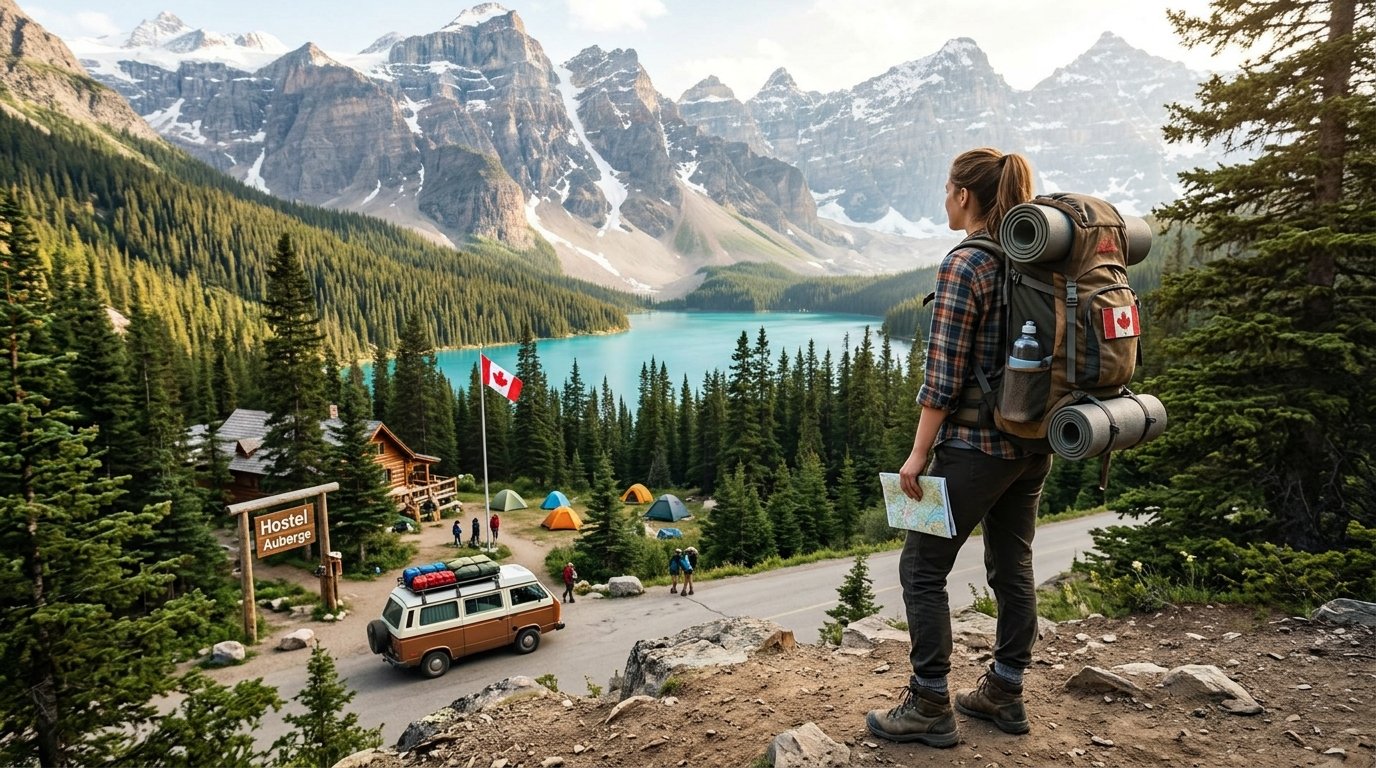
Traveling to Canada doesn’t have to cost a fortune. Although Canada is known for expensive hotels, restaurant meals, transportation, and popular tourist attractions, it is possible to enjoy an incredible vacation without spending too much money. With smart planning, flexible travel dates, affordable accommodation, and a well-organized itinerary, you can experience Canada’s beautiful cities, national parks, lakes, mountains, and cultural attractions on a reasonable budget.
Whether you are planning your first international vacation, a family holiday, a solo trip, or a road trip with friends, understanding where your money goes can help you save hundreds or even thousands of dollars.
This guide explains how to plan a trip to Canada on a budget, including when to travel, how to find affordable flights, where to stay, how to save on food, transportation, sightseeing, and how much money you should realistically prepare for your vacation.
How Much Does a Budget Trip to Canada Cost?
Your total travel cost depends on your destination, travel season, accommodation type, transportation, and the number of days you stay.
For a budget-conscious traveler, the following estimates can help you plan your daily expenses. These are approximate planning ranges in Canadian dollars (CAD), excluding international flights.
| Travel Expense | Budget Estimate Per Day |
|---|---|
| Hostel or budget accommodation | C$50–120 |
| Food and groceries | C$25–50 |
| Local transportation | C$10–25 |
| Attractions and activities | C$0–40 |
| Miscellaneous expenses | C$10–25 |
| Estimated daily budget | C$95–260 |
Your costs may be lower if you stay with friends or family, prepare your own meals, and focus on free attractions. They may be higher in popular destinations such as Toronto, Vancouver, Banff, and downtown Montreal during peak travel seasons.
Example Budget for a 7-Day Canada Trip
Here is an example of how a budget traveler might plan a one-week trip.
| Expense | Estimated Cost |
|---|---|
| Accommodation for 7 nights | C$490 |
| Food | C$245 |
| Local transportation | C$100 |
| Attractions | C$100 |
| Miscellaneous expenses | C$100 |
| Total for 7 days | C$1,035 |
This example assumes affordable accommodation and relatively inexpensive activities. It does not include international flights, visa fees, travel insurance, or transportation between major cities.
For two travelers sharing a room, accommodation expenses per person may be lower.
1. Choose the Right Time to Visit Canada
夏季限定 | 加拿大五日遊 | 班夫&優鶴&賈斯珀國家公園&露易絲湖 | 卡加利機場接機 – KKday
Étudier au Canada pour les Africains : Guide complet 2026
8
One of the easiest ways to reduce your travel expenses is to choose the right travel season.
Hotel prices, flight costs, and tourist activity prices can change significantly depending on the time of year. Traveling during popular holiday periods can make your vacation much more expensive.
Travel During Shoulder Season
Shoulder season generally refers to the periods between peak and off-peak travel seasons.
For many Canadian destinations, spring and fall can offer a balance between reasonable prices, fewer crowds, and pleasant sightseeing conditions.
Consider traveling during:
- April and May, depending on your destination.
- September and October.
- Late fall before major winter holidays, where weather and availability allow.
Shoulder-season travel can help you find better accommodation deals and avoid some of the busiest tourist periods.
Avoid Peak Summer Travel When Possible
June, July, and August are popular months for visiting Canada, especially national parks and major tourist cities.
During summer, you may encounter:
- Higher hotel prices.
- More expensive rental cars.
- Crowded attractions.
- Busy national park roads.
- Limited accommodation availability.
- Higher prices for some tours.
If your schedule is flexible, traveling outside the busiest summer weeks can help stretch your budget.
Consider Winter Travel
Winter can be an affordable season for visiting some Canadian cities, particularly if you are not traveling during Christmas, New Year’s Eve, or major winter festivals.
However, winter is not always the cheapest option. Ski resorts, mountain destinations, and popular winter attractions can have high prices.
Choose winter travel if you enjoy snow, skating, winter festivals, and cold-weather activities.
2. Find Cheap Flights to Canada
How to Avoid Checked Bag Fees: 10 Proven Strategies for 2026
Airplane flying at high altitude and beautiful high-altitude clouds in spring
5
International flights can be one of the biggest expenses of your Canadian vacation. Finding an affordable airfare can significantly reduce your overall travel budget.
Compare Flights Before Booking
Don’t book the first flight you find. Compare prices from different airlines and search engines to understand the typical fare for your route.
When searching for flights:
- Compare multiple departure and arrival airports.
- Check different travel dates.
- Consider flights with one connection.
- Compare baggage allowances.
- Review seat selection and other fees.
- Check the total price before booking.
A flight that appears cheaper initially may cost more after adding checked baggage, seat selection, and other charges.
Be Flexible With Your Travel Dates
Flying on different days can sometimes make a significant difference in airfare.
If possible, avoid traveling during:
- Christmas and New Year’s holidays.
- Spring break periods.
- Major summer vacation dates.
- Thanksgiving travel periods.
- Major local festivals and events.
Try comparing several departure dates and return dates rather than choosing only one fixed schedule.
Book Flights in Advance
Booking early gives you more opportunities to compare available fares, especially if you are traveling during a busy season.
However, there is no guaranteed cheapest booking day. Flight prices change based on demand, availability, routes, and airline pricing systems.
Instead of waiting for a specific weekday, monitor your preferred route and book when the price fits your budget.
Consider Alternative Airports
Depending on your destination, flying into a nearby airport may offer cheaper fares.
For example, travelers visiting Toronto may compare flights to Toronto Pearson International Airport and other nearby airports when suitable connections are available.
Always compare the cost of getting from the alternative airport to your accommodation. A cheaper flight may not save money if airport transportation is expensive.
3. Choose Affordable Places to Stay
Accommodation is one of the biggest expenses when planning a vacation in Canada.
Staying in expensive downtown hotels can quickly increase your total budget, particularly in major cities.
Bed in Shared Dorm – Hostels for Rent in Squamish, British Columbia, Canada – Airbnb
Hi Edmonton – Hostel C$ 40 (C̶$̶ ̶8̶7̶). Edmonton Hotel Deals & Reviews – KAYAK
Hostelling International Today – Hostelling International Slovenia
7
Stay in Hostels
Hostels are popular among solo travelers, backpackers, and people looking to reduce accommodation expenses.
Many hostels offer:
- Shared dormitory rooms.
- Private rooms.
- Shared kitchens.
- Laundry facilities.
- Common areas.
- Free or low-cost activities.
A shared room is generally cheaper than a private hotel room, although prices depend on the city, season, and property.
Consider Budget Hotels
Budget hotels and motels can provide affordable private accommodation, especially outside major downtown areas.
Before booking, compare the total cost, including:
- Taxes.
- Parking fees.
- Breakfast charges.
- Cleaning fees.
- Resort fees, where applicable.
- Public transportation access.
A hotel outside the city center may be cheaper, but only if getting to attractions remains affordable and convenient.
Look for Accommodation With a Kitchen
A room or rental with a kitchen can help you save money on food.
You can purchase groceries and prepare breakfast, snacks, or dinner rather than eating at restaurants every day.
This is especially useful for families and travelers staying for several days.
Book Accommodation Early
Popular destinations such as Banff, Lake Louise, Vancouver, and Toronto can have limited affordable accommodation during peak seasons.
Booking earlier may provide more options within your budget.
Compare different booking platforms, but also check the accommodation’s official website to see whether it offers competitive rates or additional benefits.
4. Visit Affordable Canadian Destinations
Some destinations in Canada are naturally more expensive than others. Choosing the right city or region can make a major difference to your travel budget.
Toronto on a Budget
Toronto Islands – Read BEFORE you visit – Traveling-Pari
Should You Visit Montreal or Toronto? A Side-By-Side Guide.
7
Toronto is an exciting city with plenty of free and affordable activities.
Budget-friendly activities include:
- Walking around the waterfront.
- Exploring Kensington Market.
- Visiting public parks.
- Walking through the Distillery District.
- Exploring neighborhoods.
- Visiting Toronto Islands when ferry costs fit your budget.
- Enjoying free seasonal events.
Toronto can be expensive for accommodation, so consider staying near public transportation rather than directly in the downtown core.
Montreal on a Budget
13 Of Montréal, Canada’s Must-See Tourist Attractions For Your First Visit
Visiter le Mont Royal à Montréal • Âme Bohème
Montreal/Plateau – Travel guide at Wikivoyage
8
Montreal is an excellent destination for travelers who enjoy historic streets, architecture, food, and culture.
You can save money by:
- Walking through Old Montreal.
- Exploring Mount Royal Park.
- Visiting public markets.
- Enjoying neighborhood festivals.
- Exploring public art.
- Taking advantage of free museum days when available.
Montreal’s public transportation system makes it relatively easy to explore many areas without renting a car.
Ottawa on a Budget
Parliament Hill (2026) – Best of TikTok, Instagram & Reddit Travel Guide
people walking and jogging along rideau canal pathway in warm evening light, ottawa, canada
ByWard Market – Ottawa, ON Canada – See Sight Tours<!– –>
8
Ottawa offers several attractions that can be enjoyed without spending much money.
Budget activities include:
- Walking around Parliament Hill.
- Exploring the Rideau Canal.
- Visiting public parks.
- Walking around ByWard Market.
- Exploring historic neighborhoods.
- Enjoying festivals and public events.
Some national museums offer free admission at specific times or under certain programs, so check their official websites before visiting.
Quebec City on a Budget
Things to know before traveling to Québec City – Lonely Planet
Canada Cruise: Top Things to Do in Quebec City | NCL
When is the best time to visit Québec City? – Lonely Planet
Quebec City is a wonderful destination for walking and sightseeing.
You can enjoy:
- Walking through Old Quebec.
- Exploring Petit-Champlain.
- Visiting public squares.
- Enjoying scenic viewpoints.
- Photographing historic architecture.
- Exploring the city walls and surrounding streets.
Many of the city’s most memorable experiences come from walking around its historic neighborhoods rather than purchasing expensive tours.
Vancouver on a Budget
Canada’s stunning walks you can do in a day | lovemoney.com
English Bay Beach in Central Vancouver – Tours and Activities | Expedia.ca
Queen Elizabeth Park, Vancouver, Canada Vacation Rentals (4.9 out of 5) – Airbnb
7
Vancouver is beautiful but can be expensive, especially for accommodation.
Free or inexpensive activities include:
- Walking around Stanley Park.
- Exploring beaches.
- Enjoying public parks.
- Walking along the waterfront.
- Exploring neighborhoods.
- Visiting public markets and outdoor areas.
Choosing accommodation near transit can help you avoid rental car and parking expenses.
5. Use Public Transportation Instead of Renting a Car
TTC 4517 Flexity Outlook LRV Eastbound On King St W On Rou… | Flickr
Alstom’s first new SkyTrain trains enter commercial service in Vancouver | Alstom
How To Get Around Montreal: Your Guide To Public Transportation – Corporate Stays
Renting a car can be convenient, but it may increase your travel costs considerably.
Car rental expenses can include:
- Daily rental fees.
- Insurance.
- Fuel.
- Parking.
- Tolls.
- Additional driver fees.
- Winter equipment or other seasonal charges.
In major cities, public transportation is usually a more affordable option for sightseeing.
Use Transit Passes When They Make Sense
Some Canadian cities offer daily, weekly, or other transit passes.
Before buying a pass, calculate whether it is cheaper than purchasing individual tickets based on your planned journeys.
Transit passes can be useful if you expect to use buses, trains, and subway services multiple times throughout the day.
Walk Whenever Possible
Walking is one of the best ways to save money while traveling.
Many downtown attractions, neighborhoods, parks, waterfront areas, and markets are close enough to explore on foot.
Walking also allows you to discover local cafes, public art, historic buildings, and interesting streets that you might miss while traveling by car.
Avoid Unnecessary Taxis and Ride-Sharing
Taxis and ride-sharing services can be convenient, especially when traveling with luggage or late at night.
However, frequent rides can quickly increase your budget.
Use them strategically rather than as your primary transportation option.
6. Save Money on Food in Canada
Food expenses can become surprisingly high when you eat at restaurants for every meal.
You don’t need to avoid Canadian food or local restaurants entirely. Instead, combine affordable meals with a few special dining experiences.
The Canadian Consumer Outlook: Why Direct Mail is the Key to Growth in 2026
Backpacker Ostelli a Glebe, Sydney 2026 (da AU$6 🤑)
Best Food Markets in Toronto (2026 Guide) | Nomado Travel
6
Buy Groceries
Grocery shopping is one of the easiest ways to save money.
Purchase simple items such as:
- Bread.
- Eggs.
- Fruit.
- Yogurt.
- Oatmeal.
- Sandwich ingredients.
- Snacks.
- Bottled or reusable water supplies.
If your accommodation has a kitchen, prepare some of your meals.
Eat at Affordable Restaurants
Look for:
- Local cafes.
- Food courts.
- Casual restaurants.
- Lunch specials.
- Bakery items.
- Affordable neighborhood restaurants.
Eating lunch at a restaurant and preparing dinner at your accommodation can be a useful way to control food expenses.
Avoid Tourist Restaurant Areas
Restaurants directly beside major tourist attractions may have higher prices.
Walking a few blocks away from busy sightseeing areas can sometimes help you find more affordable meals.
Carry Snacks and Water
Carrying snacks and a reusable water bottle can prevent unnecessary purchases throughout the day.
This is particularly useful when visiting parks, sightseeing areas, museums, and outdoor attractions.
7. Enjoy Free Attractions and Activities
You don’t need to purchase expensive tickets to experience the best of Canada.
Many Canadian cities offer free parks, walking routes, public spaces, waterfronts, and cultural events.
Living in Toronto Guide 2025: Everything You Need to Know – Toronto Times
walking way in the park on a sunny day
Colorful autumn foliage lines a park walking path
9
Free Things to Do in Canada
| Activity | Where You Can Enjoy It |
|---|---|
| Explore public parks | Major Canadian cities |
| Walk along waterfronts | Toronto, Vancouver, Halifax |
| Explore historic neighborhoods | Montreal, Quebec City |
| Visit public markets | Toronto, Montreal, Vancouver |
| Enjoy scenic viewpoints | Many cities and mountain destinations |
| Attend public festivals | Seasonal events across Canada |
| Photograph architecture | Historic districts and downtown areas |
| Walk nature trails | Parks and selected protected areas |
Before visiting, check whether the attraction is free year-round or only on selected days.
Plan Your Paid Attractions Carefully
Choose the attractions that matter most to you rather than purchasing tickets for everything.
For example, in Toronto, you might choose the CN Tower as your main paid attraction while spending the rest of your time exploring neighborhoods, waterfront areas, and public parks.
In Montreal, you may prefer historic sightseeing and outdoor experiences rather than paying for multiple attractions.
8. Visit National Parks Without Overspending
Canada’s national parks are among its most beautiful destinations, but visiting them requires careful budgeting.
Hiking trail in sunny day in Canadian Rockies
Hikers follow trail above mountain lake
Field Guide: Yoho, Canada – WildBounds
10
National parks may involve expenses such as:
- Park admission.
- Accommodation.
- Transportation.
- Camping fees.
- Shuttle services.
- Guided activities.
- Equipment rentals.
Consider Camping
Camping can be less expensive than hotels in some destinations, especially if you already own camping equipment.
However, camping fees, equipment rentals, transportation, and campground availability should be considered.
Reserve campsites early for popular parks and travel periods.
Choose Free or Low-Cost Hiking Trails
Many national parks offer hiking opportunities with no additional activity fee beyond applicable park admission.
Choose trails based on your fitness level, experience, weather conditions, and available time.
Always check current trail conditions, wildlife guidance, and park regulations.
Plan Transportation in Advance
Some popular destinations in the Canadian Rockies have parking restrictions or shuttle systems during busy periods.
Research your transportation options before arriving to avoid unexpected expenses or difficulties accessing attractions.
9. Use Travel Discounts and Passes Carefully
Travel discounts can reduce your expenses, but not every pass is worthwhile.
Compare Attraction Passes
Some cities offer attraction passes that combine admission to several attractions.
Before purchasing one, make a list of attractions you actually want to visit and calculate their individual prices.
A pass is worthwhile only if the attractions you plan to visit cost less individually than the pass price.
Check Student and Senior Discounts
Some museums, attractions, transportation providers, and activities offer discounts for students, seniors, children, or other eligible visitors.
Bring the required identification and check eligibility before purchasing tickets.
Look for Free Admission Days
Some museums and cultural attractions offer free admission on selected days or at certain times.
Check the official attraction website before planning your visit around a free admission offer.
Book Tours Directly
If you plan to take guided tours, compare prices across providers and check whether booking directly offers a better price.
Review the tour’s inclusions carefully to avoid paying extra for transportation, equipment, meals, or entrance tickets.
10. Avoid Hidden Travel Expenses
A budget trip can become expensive when small charges accumulate.
Before booking, check for hidden or additional costs.
| Potential Expense | How to Avoid Overspending |
|---|---|
| Airline baggage fees | Check baggage allowance before booking |
| Hotel parking | Choose accommodation with affordable parking or use transit |
| Foreign transaction fees | Check your bank or card fees |
| Airport transportation | Compare transit, shuttle, and taxi costs |
| Attraction add-ons | Buy only activities you actually want |
| Restaurant taxes and tips | Include them in your food budget |
| Rental car insurance | Understand coverage before purchasing |
| Mobile roaming | Consider an appropriate travel SIM or eSIM |
| Currency exchange fees | Compare exchange rates and fees |
| Travel insurance | Compare coverage and exclusions before purchasing |
Always calculate the final price rather than relying on the advertised base price.
11. Create a Realistic Canada Travel Budget
Before booking your trip, decide how much you can comfortably spend.
A simple travel budget should include the following categories:
- International airfare.
- Visa or travel authorization fees, if applicable.
- Travel insurance.
- Accommodation.
- Food and groceries.
- Local transportation.
- Intercity transportation.
- Attractions and activities.
- Shopping and souvenirs.
- Emergency expenses.
Example: 10-Day Budget Trip to Canada
The following example is for one traveler visiting Canada on a budget. It is an illustrative estimate in CAD and does not represent guaranteed prices.
| Expense | Estimated Cost |
|---|---|
| Accommodation, 10 nights | C$700 |
| Food and groceries | C$350 |
| Local transportation | C$150 |
| Attractions and activities | C$150 |
| Intercity transportation | C$150 |
| Miscellaneous expenses | C$150 |
| Estimated total | C$1,650 |
International airfare, visa expenses, and travel insurance would be additional.
Your actual costs could be lower or higher depending on the cities you visit, the season, the number of travelers, and your accommodation choices.
Set Aside Emergency Money
Even budget travelers should prepare for unexpected expenses.
Keep some extra money available for:
- Medical emergencies.
- Missed transportation.
- Unexpected accommodation.
- Weather-related changes.
- Lost belongings.
- Additional transportation expenses.
An emergency fund can help prevent an unexpected situation from disrupting your entire vacation.
12. Plan Your Itinerary to Avoid Unnecessary Travel
One of the biggest mistakes budget travelers make is trying to visit too many cities in a short period.
Canada is geographically enormous, and traveling between distant destinations can be expensive. Flights, train tickets, rental cars, fuel, and accommodation add up quickly when you move from one city to another every few days.
Focus on One Region
Instead of visiting several provinces, choose one region and explore it properly.
For example:
| Region | Budget-Friendly Itinerary |
|---|---|
| Ontario | Toronto, Niagara Falls, Ottawa |
| Quebec | Montreal, Quebec City |
| British Columbia | Vancouver, Victoria |
| Alberta | Calgary, Banff, Canmore |
| Atlantic Canada | Halifax and nearby coastal destinations |
Example of a Budget-Friendly 7-Day Itinerary
Days 1–3: Toronto
Explore downtown, waterfront areas, parks, markets, and neighborhoods using public transportation.
Day 4: Niagara Falls
Take a day trip to Niagara Falls and enjoy the main viewpoints and surrounding areas.
Days 5–7: Toronto
Explore additional neighborhoods, enjoy free activities, visit affordable attractions, and spend time relaxing instead of paying for expensive transportation to another city.
This type of itinerary reduces transportation expenses and gives you more time to enjoy your destination.
13. Use a Budget Travel Checklist Before Booking
Before purchasing your flight tickets or making hotel reservations, use this checklist to ensure your trip is financially manageable.Set a total vacation budgetChoose a destination and travel seasonCompare flight prices across different datesCheck visa and entry requirementsBook affordable accommodationCheck accommodation location and transit accessCreate a daily food budgetPlan free and low-cost activitiesCompare public transit with car rentalCalculate intercity transportation costsCheck attraction tickets and reservation requirementsPurchase suitable travel insuranceKeep emergency money aside
0 of 13 completed
Frequently Asked Questions
What is the cheapest way to travel to Canada?
The cheapest way to travel to Canada depends on your departure country and destination. Comparing flight dates, traveling during shoulder season, booking in advance, choosing alternative airports when practical, and avoiding peak holiday periods can help reduce airfare.
Once in Canada, using public transportation, staying in hostels, preparing meals, and focusing on free attractions can help reduce your expenses.
How much money do I need for a 7-day trip to Canada?
A budget traveler may plan approximately C$700–C$1,800 for a seven-day trip within Canada, excluding international airfare and visa expenses.
Your actual expenses depend on accommodation, food, transportation, destination, season, and sightseeing activities.
Is Canada expensive for budget travelers?
Canada can be expensive compared with many international destinations, especially in major cities and popular national parks.
However, budget travelers can reduce expenses by choosing affordable accommodation, traveling during less busy periods, cooking meals, using public transportation, and enjoying free outdoor activities.
What is the cheapest month to visit Canada?
January and February can be relatively inexpensive for some Canadian cities, excluding ski destinations and major winter events.
September and parts of spring may also offer a good balance of accommodation prices, weather, and tourist crowds. The cheapest month depends on your destination, travel dates, and activities.
Can I travel to Canada with C$1,000?
C$1,000 may be enough for a short budget trip within Canada if your airfare is already paid, you have affordable accommodation, and you carefully control food, transportation, and activities.
For a longer trip, especially in expensive cities, you may need a larger budget.
How can I save money on hotels in Canada?
You can save money by booking early, staying outside expensive downtown areas, choosing hostels or budget hotels, sharing accommodation with travel companions, and visiting during shoulder season.
Always compare the total accommodation cost with transportation expenses before booking a hotel far from the city center.
Is it cheaper to cook or eat out in Canada?
Cooking is generally cheaper than eating at restaurants for every meal.
Buying groceries, preparing breakfast, packing lunch, and eating dinner at affordable local restaurants can help you enjoy Canadian food without overspending.
Can I visit Canada without renting a car?
Yes. You can explore many major Canadian cities using public transportation, walking, buses, and trains.
However, a rental car or organized tour may be more convenient for certain national parks, rural destinations, and scenic road trips.
Are there free things to do in Canada?
Yes. Canada offers many free activities, including public parks, walking trails, waterfronts, historic neighborhoods, beaches, scenic viewpoints, public festivals, and some museum events.
You can enjoy many memorable experiences without purchasing expensive attraction tickets.
Is travel insurance necessary for a budget trip to Canada?
Travel insurance is strongly recommended for international visitors. Medical expenses, trip cancellations, lost luggage, and unexpected travel disruptions can create significant costs.
Choose a policy that covers your needs, and carefully review its limits, exclusions, and conditions.
Final Thoughts
Planning a trip to Canada on a budget is all about making smart decisions before and during your vacation. You don’t need expensive hotels, restaurant meals every day, or paid tours to experience the country’s beauty and culture.
Choose the right season, compare flight prices, stay in affordable accommodation, use public transportation, prepare some meals, and explore free attractions. Most importantly, focus on one region rather than spending your money traveling across the entire country.
A well-planned budget trip can still include beautiful landscapes, memorable experiences, delicious food, exciting cities, and incredible Canadian scenery.
With careful planning and realistic expectations, you can enjoy an unforgettable Canadian vacation while keeping your travel expenses under control.


Leave a Reply