
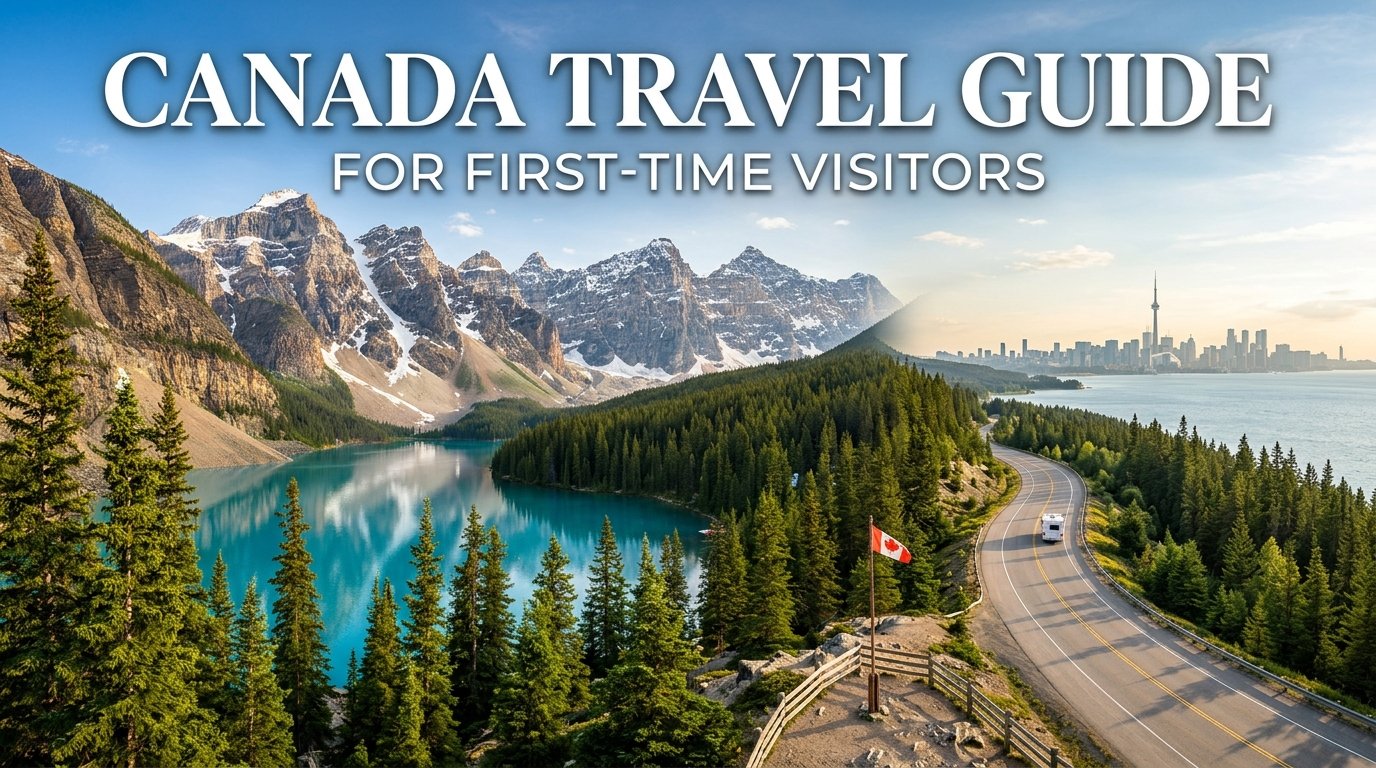
Canada is one of the most exciting destinations for first-time international travelers, offering beautiful natural landscapes, modern cities, friendly communities, and a wide variety of experiences throughout the year. From the Rocky Mountains and turquoise lakes to historic neighborhoods, coastal towns, and world-class museums, the country has something for nearly every type of traveler.
If you are planning your first trip to Canada, knowing where to go, when to visit, how to get around, what documents you need, and how much money to budget can make your journey much easier. Canada is a large country, so planning your itinerary carefully is essential to making the most of your vacation.
This Canada travel guide for first-time visitors covers the essential information you need to plan a memorable trip, including the best cities to visit, popular attractions, transportation, accommodation, food, travel costs, safety tips, and practical advice.
Why Visit Canada?
Canada is known for its breathtaking scenery, multicultural cities, outdoor adventures, and welcoming atmosphere. It is an excellent destination for travelers who want to experience both urban attractions and nature during the same vacation.
Some of the biggest reasons to visit Canada include:
- Beautiful natural scenery: Explore mountains, forests, lakes, glaciers, waterfalls, and national parks.
- Multicultural cities: Experience different cultures, international cuisines, festivals, and neighborhoods.
- Outdoor activities: Enjoy hiking, skiing, camping, kayaking, wildlife viewing, and scenic road trips.
- Iconic attractions: Visit famous landmarks such as Niagara Falls, Banff National Park, and the CN Tower.
- Seasonal experiences: Enjoy summer festivals, colorful autumn foliage, winter sports, and spring landscapes.
- Excellent road-trip opportunities: Explore scenic highways and small towns across different provinces.
Canada is especially appealing to visitors who enjoy nature, photography, city sightseeing, family vacations, and outdoor adventures.
Best Places to Visit in Canada for First-Time Visitors
Choosing destinations is one of the most important parts of planning your first Canadian vacation. Since traveling between provinces can take considerable time, it is better to focus on a few destinations rather than trying to see the entire country in one trip.
Toronto, Ontario
Toronto | Où dormir, hôtels et hébergements | Routard.com
Canada Travel & Guided Tours | Explore Top Provinces
Toronto: Harbor and Islands Sightseeing Cruise | GetYourGuide
7
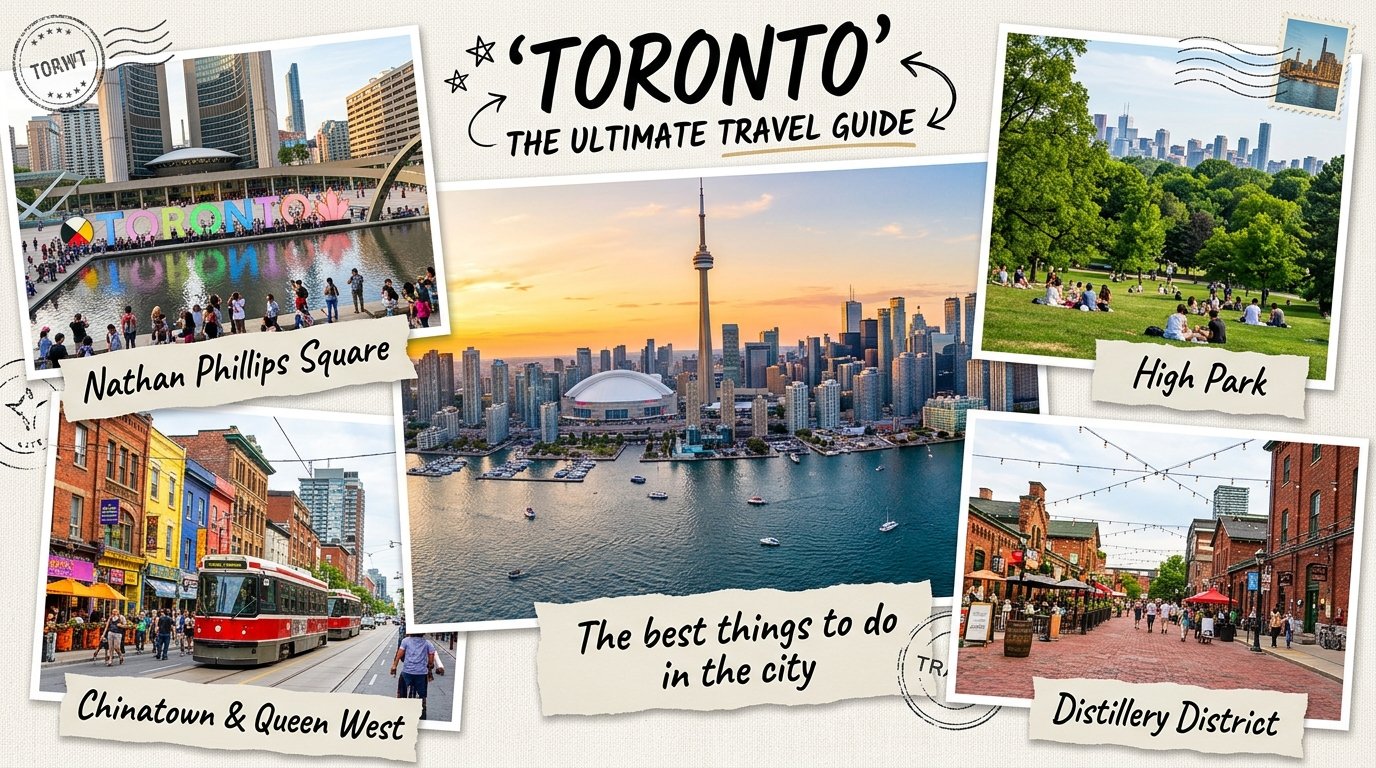
Toronto is one of Canada’s largest and most diverse cities. It is a great starting point for international visitors because of its major airport, public transportation, restaurants, museums, shopping districts, and easy access to Niagara Falls.
Popular attractions include:
- CN Tower
- Ripley’s Aquarium of Canada
- Royal Ontario Museum
- Toronto Islands
- St. Lawrence Market
- Kensington Market
- Distillery District
Toronto is a good choice for travelers who enjoy city sightseeing, international food, entertainment, shopping, and cultural experiences.
Niagara Falls, Ontario
Road Trip from Orlando, Florida to Niagara Falls
Niagara Winter Festival Of Lights Route 2 + Skylon Dinner • 1-Day Bus Tour from Toronto
Niagara Falls Boat Tours | Cruises, First-Ferry Ride, & More
6
Niagara Falls is one of Canada’s most famous natural attractions and a popular destination for first-time visitors.
The Canadian side offers impressive views of the Horseshoe Falls, scenic walking paths, boat tours, observation areas, restaurants, and family attractions.
Things to do in Niagara Falls include:
- See the Horseshoe Falls from the waterfront.
- Take a boat tour close to the falls.
- Visit Journey Behind the Falls.
- Explore Clifton Hill.
- Enjoy the illuminated falls at night.
- Visit nearby Niagara-on-the-Lake for wineries and charming streets.
Niagara Falls can be visited as a day trip from Toronto, although staying overnight allows you to enjoy the area without rushing.
Vancouver, British Columbia
10 mejores ciudades de Canadá: ¡las más bonitas! | Los Traveleros
What to do in Vancouver | SIXT rent a car Magazine
Don’t miss these events around 5 Fifa World Cup host cities | Cathay GB
6
Vancouver combines beautiful mountain scenery with a modern coastal city atmosphere. It is particularly popular among visitors who enjoy outdoor activities, beaches, parks, food, and scenic views.
Top attractions include:
- Stanley Park
- Granville Island
- Vancouver Aquarium
- Capilano Suspension Bridge Park
- Gastown
- English Bay
- Grouse Mountain
Vancouver is a fantastic destination for travelers who want to experience city life while staying close to mountains, forests, and the Pacific Ocean.
Banff National Park, Alberta
When to visit Alberta | Audley Travel UK
Amazing cityscape of Banff in Rocky Mountains, Alberta,Canada
Lakes in Banff National Park | Banff & Lake Louise Tourism
5
Banff National Park is one of the most beautiful destinations in Canada. Located in the Canadian Rockies, it is famous for turquoise lakes, towering mountains, glaciers, forests, and wildlife.
Popular places to explore include:
- Lake Louise
- Moraine Lake
- Banff town
- Bow Falls
- Lake Minnewanka
- Banff Gondola
- Johnston Canyon
Summer is popular for hiking and sightseeing, while winter attracts visitors for skiing, snowboarding, and snowy mountain scenery.
First-time visitors should plan transportation in advance, particularly for popular lakes where access and parking restrictions may apply during busy seasons.
Montreal, Quebec
Old Montreal: Self-Guided Tour from Place D‘Armes to Old Port (with Reviews)
Montreal from top view at sunset in Canada
Territoires desservis | Téo Taxi | Grand Montréal, Gatineau et Québec
8
Montreal offers a unique blend of European-style architecture, North American city life, French-language culture, art, music, and food.
The city is especially enjoyable for walking through historic neighborhoods, visiting cafes, exploring museums, and experiencing festivals.
Popular attractions include:
- Old Montreal
- Notre-Dame Basilica
- Mount Royal Park
- Jean-Talon Market
- Montreal Museum of Fine Arts
- Old Port
- Saint Catherine Street
French is the main official language of Quebec, but English is also spoken in many tourist areas, especially in central Montreal.
Ottawa, Ontario
Plan your visit | Ottawa Tourism
Ottawa’s well-known central chambers building is located on Elgin Street
7
Ottawa is Canada’s capital and an excellent destination for history, museums, architecture, and cultural attractions.
Highlights include:
- Parliament Hill
- Canadian Museum of History
- National Gallery of Canada
- Rideau Canal
- ByWard Market
- Canadian War Museum
Ottawa is a good destination for visitors who want to learn about Canadian history and government while enjoying a quieter city atmosphere.
Quebec City, Quebec
Quebec, Canada | Cruiseget.com
Exploring Canada: 5 of the finest towns and cities – Journeyscape
New Years Eve in Quebec City, Canada — Itinerare
6
Quebec City is one of Canada’s most charming destinations, with historic buildings, cobblestone streets, scenic viewpoints, and a distinctly European atmosphere.
The historic district of Old Quebec is a UNESCO World Heritage Site.
Visitors can explore:
- Château Frontenac
- Old Quebec
- Petit-Champlain
- Place Royale
- Plains of Abraham
- Montmorency Falls
Quebec City is especially beautiful in autumn and winter, although cold weather and snow require appropriate clothing.
Best Time to Visit Canada
Canada experiences four distinct seasons, and the best time to visit depends on your preferred activities, destinations, and budget.
| Season | Months | Weather and Experiences |
|---|---|---|
| Spring | March–May | Melting snow, flowers, changing weather, fewer crowds in some destinations |
| Summer | June–August | Warm weather, hiking, festivals, lakes, outdoor sightseeing |
| Fall | September–October | Colorful foliage, cooler weather, scenic drives, comfortable sightseeing |
| Winter | November–March | Snow, skiing, ice skating, winter festivals, cold temperatures |
Visiting Canada in Summer
Summer is one of the most popular travel seasons in Canada. Many national parks, hiking trails, lakes, outdoor attractions, and festivals are at their best.
June through August is ideal for:
- Visiting Banff and Jasper.
- Exploring Vancouver and Toronto.
- Hiking in national parks.
- Taking scenic road trips.
- Enjoying outdoor festivals.
- Visiting Niagara Falls.
However, popular hotels and attractions can become expensive, and some destinations experience heavy tourist traffic.
Visiting Canada in Fall
Fall is an excellent season for travelers who enjoy cooler weather, beautiful scenery, and fewer summer crowds.
September and October are particularly popular for autumn foliage in Ontario, Quebec, and parts of eastern Canada.
You can enjoy:
- Colorful maple leaves.
- Scenic drives.
- Comfortable walking temperatures.
- Photography opportunities.
- Seasonal food and festivals.
Visiting Canada in Winter
Winter transforms many Canadian destinations into snowy landscapes. It can be an unforgettable experience if you enjoy cold-weather activities.
Popular winter activities include:
- Skiing and snowboarding.
- Ice skating.
- Snowshoeing.
- Winter festivals.
- Snow-covered mountain sightseeing.
- Visiting Christmas markets.
Winter temperatures can be extremely cold in some regions, so warm layers, insulated boots, gloves, and a proper winter jacket are important.
How Many Days Do You Need in Canada?
Canada is a huge country, and visiting multiple regions can require flights or long-distance transportation. For a first trip, it is usually better to explore one region properly.
| Trip Length | Recommended Travel Plan |
|---|---|
| 3–5 days | One major city, such as Toronto, Vancouver, or Montreal |
| 7 days | One city plus nearby attractions |
| 10 days | Two destinations within the same region |
| 14 days | A regional trip with multiple cities and nature attractions |
| 3 weeks or more | A broader itinerary covering multiple provinces |
For example, a seven-day trip to Ontario could include Toronto, Niagara Falls, and Niagara-on-the-Lake. A seven-day western Canada trip could focus on Vancouver and the Canadian Rockies, depending on your transportation arrangements.
Avoid trying to visit Toronto, Vancouver, Montreal, Calgary, and Quebec City in only a few days. The distances are too large to enjoy each destination comfortably.
Canada Travel Itinerary for First-Time Visitors
If you have approximately 10 days for your first vacation, the following itinerary offers a good combination of city sightseeing and natural attractions in eastern Canada.
Days 1–3: Explore Toronto
Spend your first three days exploring Toronto.
Day 1: Downtown Toronto
- Visit the CN Tower.
- Walk around the waterfront.
- Explore downtown.
- Enjoy dinner at a local restaurant.
Day 2: Museums and Neighborhoods
- Visit the Royal Ontario Museum.
- Explore Kensington Market.
- Walk through the Distillery District.
- Visit St. Lawrence Market.
Day 3: Toronto Islands
- Take a ferry to Toronto Islands.
- Enjoy scenic views of the skyline.
- Walk or cycle around the island.
- Relax at the waterfront.
Day 4: Niagara Falls Day Trip
Travel from Toronto to Niagara Falls.
Spend the day enjoying the waterfalls, boat tours, observation points, and attractions around Clifton Hill.
If you have additional time, consider staying overnight.
Days 5–7: Montreal
Travel to Montreal and spend three days exploring the city.
- Walk through Old Montreal.
- Visit Notre-Dame Basilica.
- Explore Mount Royal.
- Enjoy local restaurants and cafes.
- Visit museums and markets.
- Explore the Old Port.
Days 8–9: Quebec City
Travel to Quebec City for two days.
Explore Old Quebec, Château Frontenac, Petit-Champlain, historic streets, and local restaurants.
Day 10: Departure
Return to your departure city or travel to your international airport, depending on your flight arrangements.
This itinerary works best when your flights and transportation are planned around the cities you are visiting. You may need to adjust it to avoid unnecessary backtracking.
How to Get Around Canada
Transportation is an important consideration because Canadian cities and attractions can be separated by long distances.
Public Transportation
Major cities such as Toronto, Montreal, Vancouver, and Ottawa have public transportation systems that include buses, trains, subway services, or light rail.
Public transit is often the most affordable way to explore downtown areas.
Before traveling, check the local transit website for:
- Ticket prices.
- Day passes.
- Transit cards.
- Routes to airports.
- Operating hours.
- Mobile ticket options.
Renting a Car
Renting a car is useful for exploring national parks, small towns, scenic routes, and destinations that are difficult to reach by public transportation.
A rental car may be particularly helpful in Alberta for exploring the Canadian Rockies, although shuttle services and guided tours are also available for certain attractions.
Before renting a car, check:
- Driver’s license requirements.
- International driving permit requirements, if applicable.
- Rental insurance.
- Parking fees.
- Winter tire requirements.
- Age restrictions.
- Fuel costs.
Domestic Flights
Canada’s size makes domestic flights a practical option when traveling between distant cities.
For example, traveling between Vancouver and Toronto by air is much faster than traveling overland.
Domestic flights can help you save vacation time, but remember to include baggage fees, airport transportation, and travel time at the airport when comparing options.
Trains and Buses
Intercity trains and buses can be useful for certain travel routes.
Train journeys may provide beautiful scenery, while buses can be an economical way to travel between some cities.
However, routes, schedules, travel times, and prices vary significantly, so check availability before building your itinerary around them.
How Much Does a Trip to Canada Cost?
Canada can be affordable or expensive depending on your travel style, destination, season, and accommodation choices.
The following figures are approximate planning estimates in Canadian dollars (CAD) for one traveler. They are not live prices and may vary considerably by city and season.
| Expense | Budget Traveler | Mid-Range Traveler |
|---|---|---|
| Accommodation per night | C$50–120 | C$150–300 |
| Food per day | C$30–60 | C$60–120 |
| Local transportation per day | C$10–30 | C$20–50 |
| Attractions per day | C$0–40 | C$30–100 |
| Daily estimated total | C$90–250 | C$260–570 |
These estimates exclude international flights, major intercity transportation, travel insurance, and some seasonal activities.
Accommodation Costs
Accommodation prices depend heavily on location.
Downtown hotels in Toronto and Vancouver can be expensive, particularly during summer. Hostels, budget hotels, vacation rentals, and accommodations outside city centers may help reduce costs.
When comparing accommodation, consider the total price, including taxes, cleaning fees, parking, and resort or service fees where applicable.
Food Costs
Canada offers everything from inexpensive fast-food meals to premium restaurants.
Budget-conscious travelers can save money by:
- Buying groceries.
- Preparing simple meals.
- Eating at food courts.
- Visiting affordable local restaurants.
- Choosing accommodation with a kitchen.
- Taking advantage of lunch specials.
Attraction Costs
Some attractions are free, while major sightseeing experiences, guided tours, observation decks, and national park activities may require admission fees.
Plan your paid activities in advance so you can balance your budget between sightseeing, meals, transportation, and accommodation.
What to Eat in Canada
Canadian food reflects the country’s regional traditions and multicultural population.
First-time visitors should try a combination of traditional Canadian dishes and local specialties.
La meilleure poutine au Canada vient d’être couronnée
Iconic Canadian Foods You Need To Try Before You Die
Easy Basic Butter Tart Recipe | Canadian Goodness
4
Popular Canadian Foods
| Food | Description |
|---|---|
| Poutine | French fries topped with cheese curds and gravy |
| Butter Tarts | Sweet pastries filled with a buttery sugar mixture |
| Montreal Smoked Meat | Smoked beef served in a sandwich, commonly with mustard |
| Nanaimo Bars | Layered dessert bars with chocolate, custard-style filling, and a crumb base |
| BeaverTails | Fried pastry commonly topped with sweet ingredients |
| Tourtière | Traditional Quebec meat pie |
| Maple Syrup | A famous Canadian product often served with pancakes and desserts |
You can also find international cuisines throughout major Canadian cities, including Indian, Chinese, Japanese, Italian, Mexican, Middle Eastern, and many other food options.
What to Pack for Canada
Packing depends on the season and destinations you plan to visit.
Summer Packing List
- Comfortable walking shoes.
- Lightweight clothing.
- Sunglasses.
- Sunscreen.
- Reusable water bottle.
- Light jacket.
- Rain jacket.
- Travel backpack.
Winter Packing List
- Insulated winter jacket.
- Thermal layers.
- Warm gloves.
- Hat or beanie.
- Scarf.
- Waterproof winter boots.
- Thick socks.
- Hand warmers, if desired.
Spring and Fall Packing List
Spring and fall weather can change quickly, so layering is the best approach.
Pack:
- Comfortable shoes.
- Long-sleeved shirts.
- Sweaters.
- Light or medium-weight jacket.
- Rain jacket.
- Pants.
- Umbrella.
If you are visiting the Canadian Rockies, check the forecast for your specific destination because mountain weather can be different from nearby cities.
Canada Travel Requirements for International Visitors
International visitors should check their entry requirements before booking flights.
Depending on your nationality, you may need a visitor visa, an electronic travel authorization (eTA), or other documentation.
Common requirements and considerations include:
- A valid passport.
- The appropriate Canadian visa or travel authorization.
- Proof of travel plans, if requested.
- Information about accommodation.
- Evidence of sufficient funds for your trip, if requested.
- Travel insurance.
- Documents supporting the purpose of your visit.
Visa and entry requirements vary by nationality and circumstances. Approval of a visa does not automatically guarantee entry into Canada.
Before traveling, review the official Canadian immigration website for the most current requirements.
Safety Tips for First-Time Visitors
Canada is generally a popular destination for international tourists, but visitors should still use common sense and take normal travel precautions.
Protect Your Belongings
Keep your passport, wallet, phone, and other valuables secure, especially in crowded tourist areas, airports, transit stations, and busy downtown neighborhoods.
Understand the Weather
Weather conditions can change quickly, particularly in mountainous regions.
Check local forecasts before hiking, driving, or participating in outdoor activities.
Follow Wildlife Safety Rules
National parks are home to wildlife, including bears, elk, moose, and other animals.
Never approach or feed wild animals. Follow park instructions, maintain appropriate distances, and carry recommended safety equipment when hiking in wildlife areas.
Be Careful When Driving
Canadian roads may experience snow, ice, heavy rain, or reduced visibility.
If you are unfamiliar with winter driving, consider public transportation, guided tours, or professional transportation during severe winter conditions.
Keep Emergency Information Available
Canada’s emergency number is 911 for police, fire, and medical emergencies in areas where the service is available.
Keep your accommodation details, travel insurance information, and emergency contacts accessible during your trip.
Useful Travel Tips for Canada
These practical tips can help make your first Canadian vacation smoother and more enjoyable.
- Canada uses Canadian dollars: The currency is CAD, not USD.
- Credit and debit cards are widely accepted: Carry a small amount of cash for occasional situations.
- Tipping is common: Many restaurant customers tip for table service, with the amount depending on the service and location.
- The country has multiple time zones: Check the local time when booking flights, tours, and transportation.
- Distances are large: Do not underestimate travel time between cities and provinces.
- Weather varies by region: Coastal British Columbia, the Prairies, Ontario, Quebec, and northern Canada have different climate conditions.
- Book popular attractions early: Major summer attractions and accommodations may sell out.
- Check park reservations and shuttle services: Popular national park destinations may have access restrictions or require advance planning.
- Understand sales taxes: Prices displayed in stores may not include all applicable taxes.
- Choose travel insurance: Medical expenses for international visitors can be expensive, and coverage may be important for unexpected situations.
Frequently Asked Questions About Traveling to Canada
Is Canada a good destination for first-time international travelers?
Yes. Canada offers modern cities, established tourism infrastructure, diverse attractions, scenic destinations, and transportation options that make it a popular choice for first-time international travelers.
Planning your accommodation, transportation, and itinerary in advance can make the trip easier.
What is the best city to visit in Canada for the first time?
Toronto is a popular starting point because of its international airport, major attractions, diverse food options, and proximity to Niagara Falls.
Vancouver is another excellent option for travelers who prefer coastal scenery and outdoor activities.
How many days should I spend in Canada?
A trip of seven to fourteen days is a good starting point for many first-time visitors.
Seven days allows you to explore one city and nearby attractions, while ten to fourteen days provides more opportunities to visit multiple destinations within the same region.
Is Canada expensive for tourists?
Canada can be expensive, particularly in major cities during peak travel seasons.
Accommodation, restaurant meals, transportation, and attraction tickets can add up quickly. Budget travelers can reduce expenses by visiting during shoulder seasons, staying in budget accommodation, using public transportation, and preparing some meals.
Do I need a car to travel around Canada?
No. You can explore many major Canadian cities without renting a car.
Public transportation is useful in Toronto, Montreal, Vancouver, and Ottawa. However, renting a car or booking guided transportation may be helpful for visiting national parks, smaller towns, and remote attractions.
What language is spoken in Canada?
Canada has two official languages: English and French.
English is widely spoken in most provinces, while French is the main language of Quebec. Visitors can generally communicate in English in many tourist areas, including Montreal, although learning a few basic French phrases can be helpful and appreciated.
Can I visit Niagara Falls from Toronto in one day?
Yes. Niagara Falls is a popular day trip from Toronto.
You can travel by car, bus, organized tour, or other transportation options. An overnight stay is also a good choice if you want more time to explore the falls and nearby attractions.
Is summer the best time to visit Canada?
Summer is a popular time because of warmer weather, longer daylight hours, outdoor activities, and access to many national parks.
However, fall is excellent for foliage and cooler weather, while winter is ideal for skiing, snowboarding, and winter festivals.
What currency is used in Canada?
Canada uses the Canadian dollar, commonly abbreviated as CAD or C$.
Although some businesses near tourist areas may accept US dollars, the exchange rate may not be favorable. Using Canadian dollars or a card with reasonable foreign transaction fees is generally more convenient.
Final Thoughts
Canada is an incredible destination for first-time visitors, offering a combination of vibrant cities, beautiful landscapes, historic attractions, outdoor adventures, and diverse cultural experiences.
The best way to enjoy your first trip is to choose a region that matches your interests, plan your transportation carefully, book popular attractions in advance, and leave enough time to explore without rushing.
Whether you spend your vacation discovering Toronto and Niagara Falls, exploring the historic streets of Montreal and Quebec City, or enjoying the mountains around Banff and Vancouver, Canada offers unforgettable experiences for travelers of all ages.
With the right preparation, your first Canadian vacation can be comfortable, exciting, and full of memorable moments.


Leave a Reply